
New to Light Lane? Start here
Plug in your laser, import a file, and run your first engrave on a scrap of birch plywood. The beginner guide walks you through each step.
One app from artwork to finished engrave. Import your design, find the right settings with AI or a test grid, preview the toolpath, and send to your laser. You stay in control of every setting.
Plug in your laser, import a file, and run your first engrave on a scrap of birch plywood. The beginner guide walks you through each step.
Side-by-side comparisons. What Light Lane does differently, what the other tool still does better. No spin.
Connection steps for GRBL, Marlin, Smoothieware, and Ruida. Light Lane auto-detects most controllers over USB.
Burn a test grid with up to 400 speed and power combinations on your actual material. Pick the best cell by eye. Done.
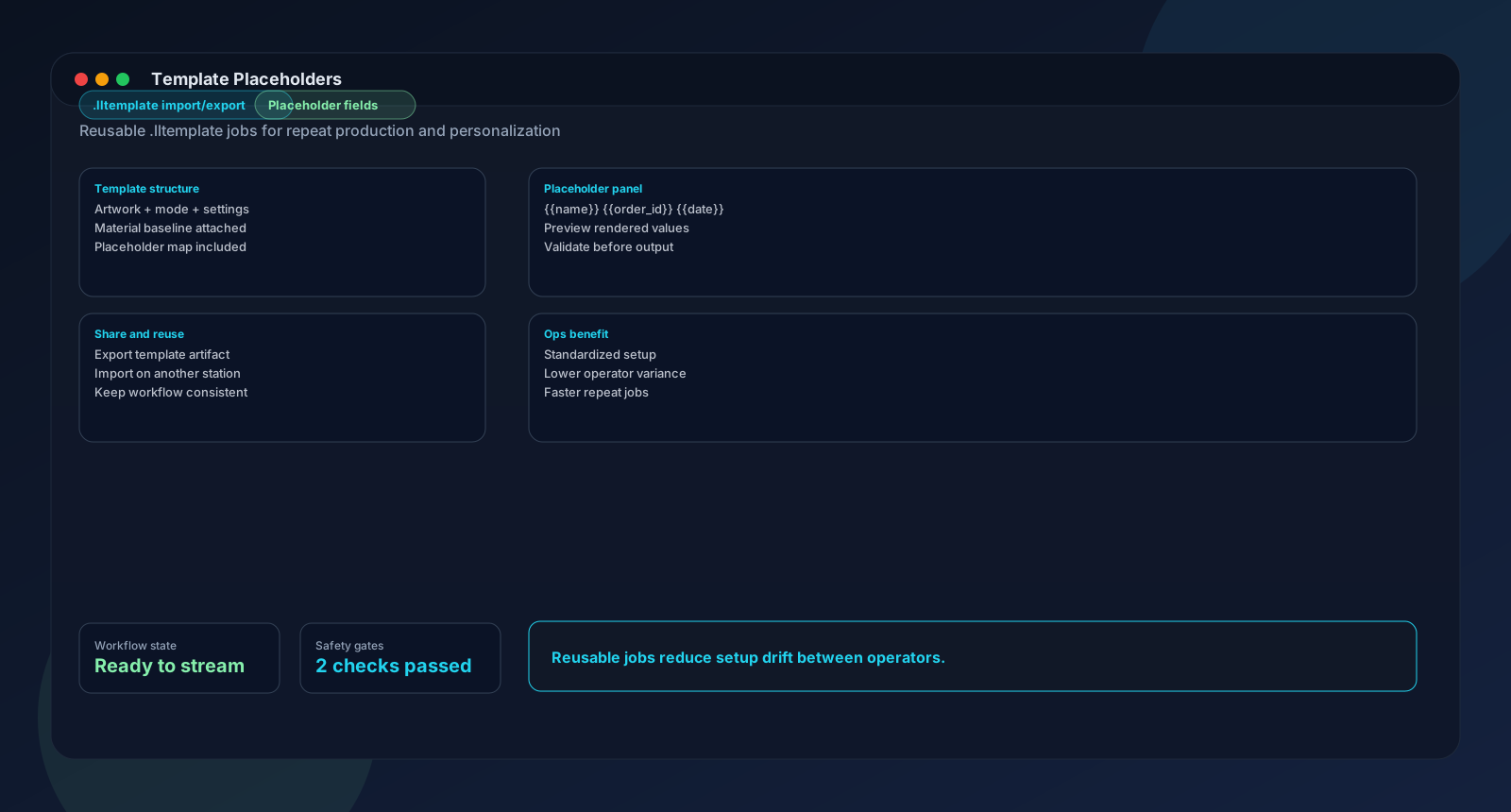
Save your layout, settings, and placeholder positions as a .lltemplate file. Load it next time. Same positions, same power, same result.
Real screenshots from the app. This is what you see when you open Light Lane, import a file, and start working.
Same process whether you are engraving your first piece of birch plywood or cutting your five hundredth acrylic keychain.
Import your artwork
Drag a PNG, SVG, JPEG, or BMP onto the canvas. Pick a processing mode: vector outline for cutting, vector fill for solid areas, raster grayscale for photos, raster threshold for high-contrast graphics, or raster dither for detailed images. SVGs keep their layer structure so you can show, hide, and reposition individual elements.
Why it matters: Everything starts on the canvas. No switching between apps for layout work.
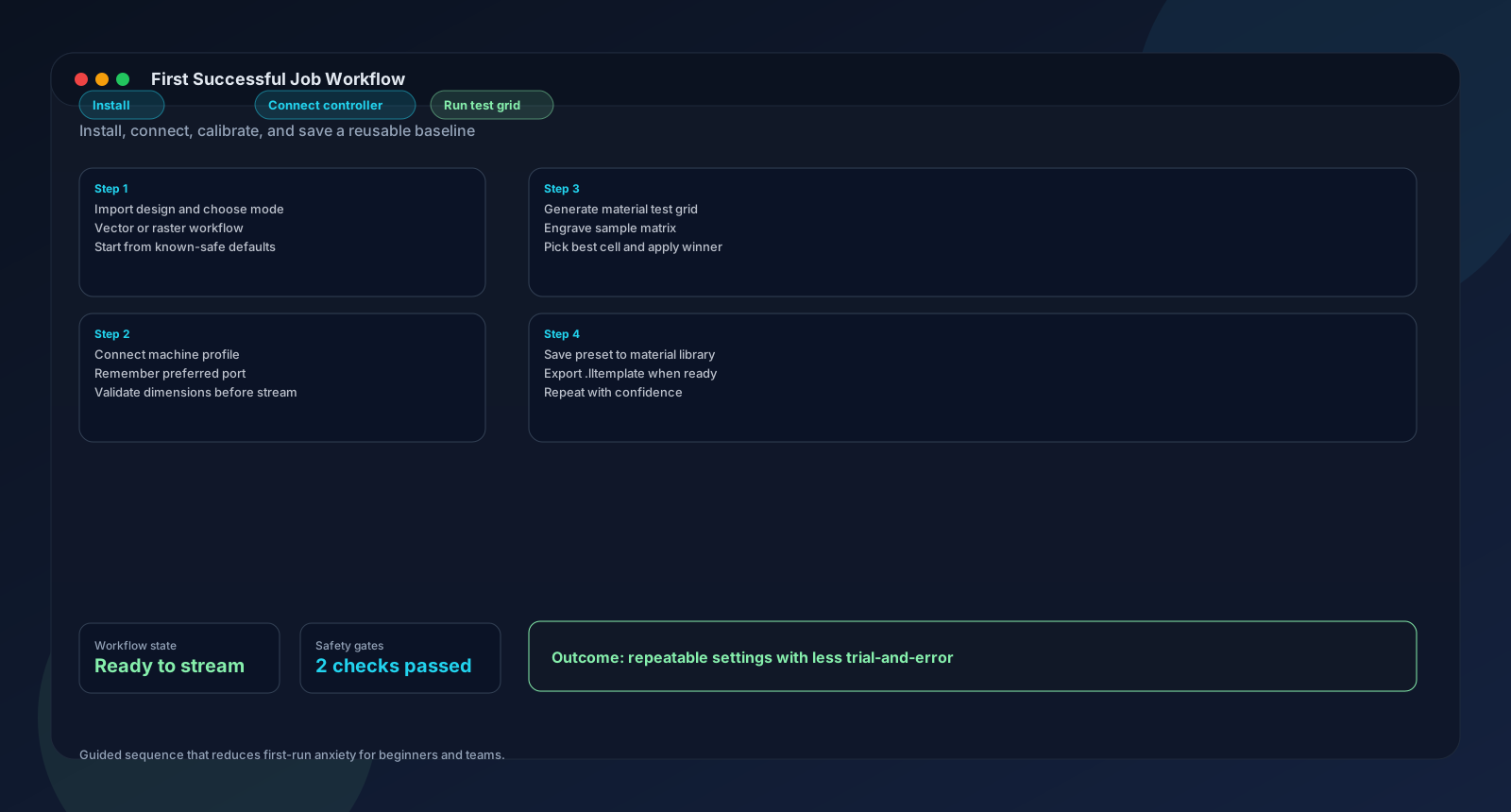
Find your settings
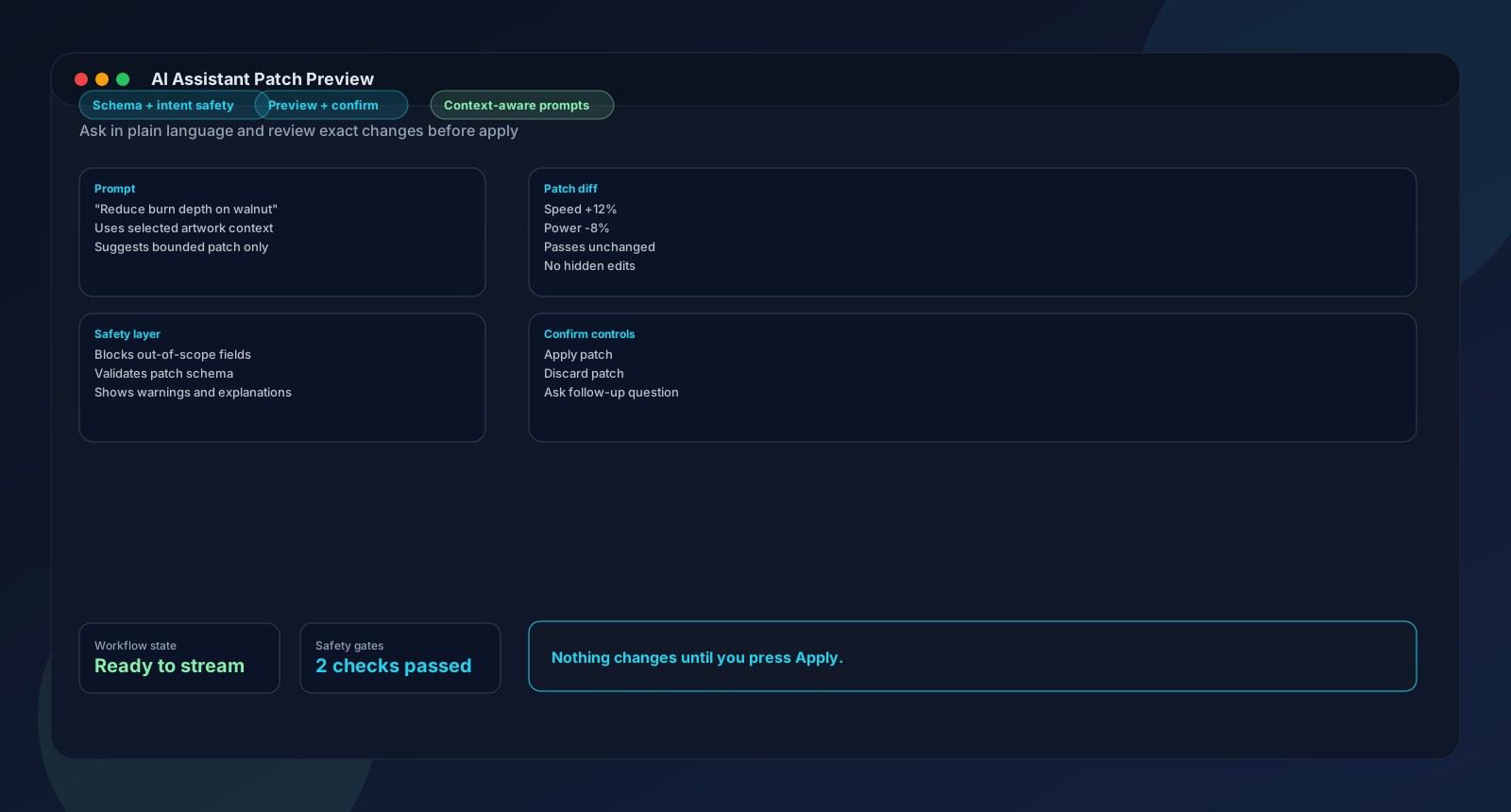
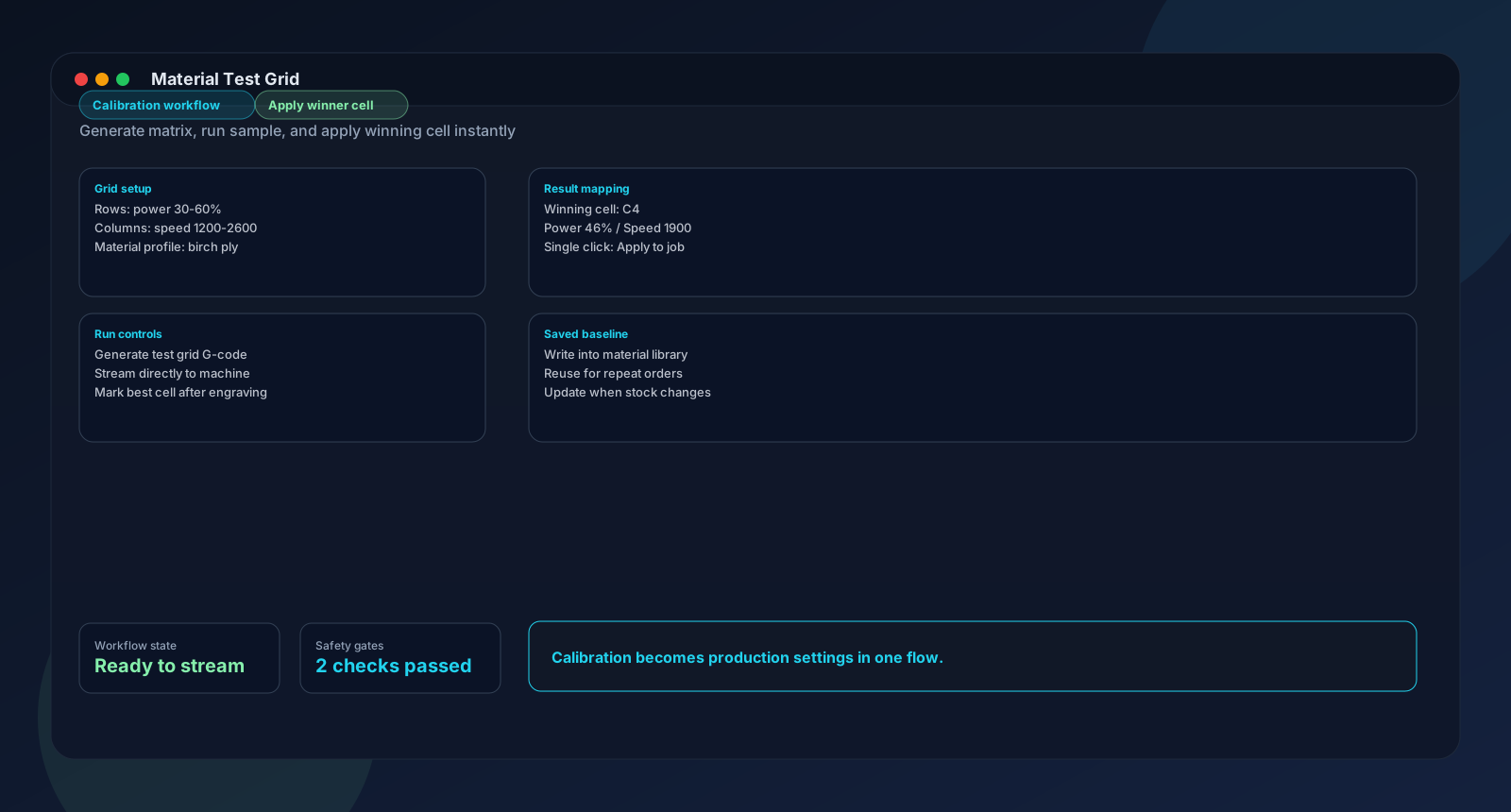
Three options, each for a different situation. Material test grid: Burn up to 400 speed-and-power combinations on a scrap of your actual material. Click the cell that looks cleanest. Those settings go straight into your job. Best for dialling in material-level speed and power. AI assistant: Select your image, type what you want ('reduce burn on walnut' or 'optimise this photo for oak'), and review a before/after settings diff. Confirm or dismiss each change. Best for image-specific tuning like DPI, processing mode, and dither algorithm. Or set every parameter by hand. The AI and test grid are there to help, not to take over.
Why it matters: You see every proposed change before the laser fires.
Preview and send
Click Generate and check the colour-coded toolpath preview. Yellow means low power, red means high. If it looks right, hit Send to Laser. A real-time overlay tracks the laser position and estimated time remaining.
Why it matters: The preview catches problems before they become wasted material.
Save for next time
Store the winning speed, power, and DPI in your material library. Or package the entire layout, settings, and placeholder positions as a .lltemplate file. Load it next week and everything is exactly where you left it.
Why it matters: Consistent results without re-dialling every parameter.
Most laser software converts images to G-code and sends it. Light Lane does that too, but it also helps you find the right settings before you burn.
An AI that analyses your image and shows a before/after settings diff you approve or dismiss. A test grid that burns hundreds of speed-and-power combinations so you pick the winner by eye. And a safety check that warns you when your G-code no longer matches your current settings.
Just got my first laser
Ask the AI for starting settings on 3mm birch plywood. Or burn a small test grid and pick the cleanest cell. Either way, you are engraving real work in minutes.
Small shop with repeat orders
Step and Repeat fills a sheet of acrylic keychains with exact spacing. Templates save the layout, positions, and settings so you can reload them next week.
Multiple machines, different controllers
GRBL, Marlin, Smoothieware, and Ruida each get firmware-specific G-code. Light Lane auto-detects your controller over USB.
No internet at the workbench
Activate, refresh, and deactivate your licence without internet. Everything except the AI assistant runs fully offline.

Find the path that matches where you are right now.
You just unpacked a Creality Falcon or a Two Trees TTS-55 and you need software that helps you get started without wasting material. Light Lane auto-detects GRBL controllers over USB, and the AI can suggest settings for your first engrave on birch plywood or MDF.
You cut the same acrylic keychains or engrave the same wooden coasters every week. Templates save your layout and settings. Step and Repeat fills the sheet with exact spacing in one click.
Shared machines need consistent settings across users. Save material presets so everyone starts with settings that already work. Offline licensing handles labs without internet access.
The questions we hear most from people seeing Light Lane for the first time.
Two modes. The Settings Assistant answers general questions about laser parameters: type 'what speed for 3mm birch?' and get a specific answer. The Engrave Assistant goes further. Select an image on the canvas, type 'optimise this photo for oak', and it analyses your image and proposes exact setting changes with a before/after diff. You review each change and hit Confirm or Dismiss. Nothing changes until you approve it.
Different features for different situations. The test grid finds the best speed and power for a specific material. Burn a grid of up to 400 combinations on a scrap, look at the results, click the cell that looks best. Those settings go into your job. The AI handles image-specific tuning: processing mode, DPI, dither algorithm. You can use both together. Run a test grid to nail speed and power, then ask the AI to tune image settings.
GRBL controllers are fully supported with auto-detection at 115200 baud, power scaling from your $30/$31 registers, and character-counting streaming. Marlin and Smoothieware ship with auto-detection and firmware-specific G-code. Ruida CO2 controllers work in beta via a separate helper binary, over USB or Ethernet. All G-code connections are USB serial.
PNG, JPEG, BMP, and SVG. SVGs preserve their internal layer structure so you can show, hide, reposition, and scale individual elements. Light Lane does not import DXF, AI, PDF, or EPS. If your design is in one of those formats, export it as SVG or PNG from your design tool first.
Everything except the AI assistant works offline: importing, editing, G-code generation, streaming to your laser, saving presets, exporting templates. Licence activation supports a full air-gapped flow for restricted environments. The AI needs internet because it runs server-side.
Maker is $12/month. Pro is $24/month and adds the material test grid, templates, Step and Repeat, and Ruida support. Education and Enterprise pricing is by quote. Every plan starts with a 14-day free trial with full Pro access. No credit card required. When the trial ends, the app locks until you pick a plan.
Full Pro features. No credit card. macOS and Windows. Download the app and start engraving.
Validate one real workflow in Light Lane, then move to the most relevant guide or feature page.
Last updated February 20, 2026